All music here is free. If this project helps you, here are easy ways to keep it alive.
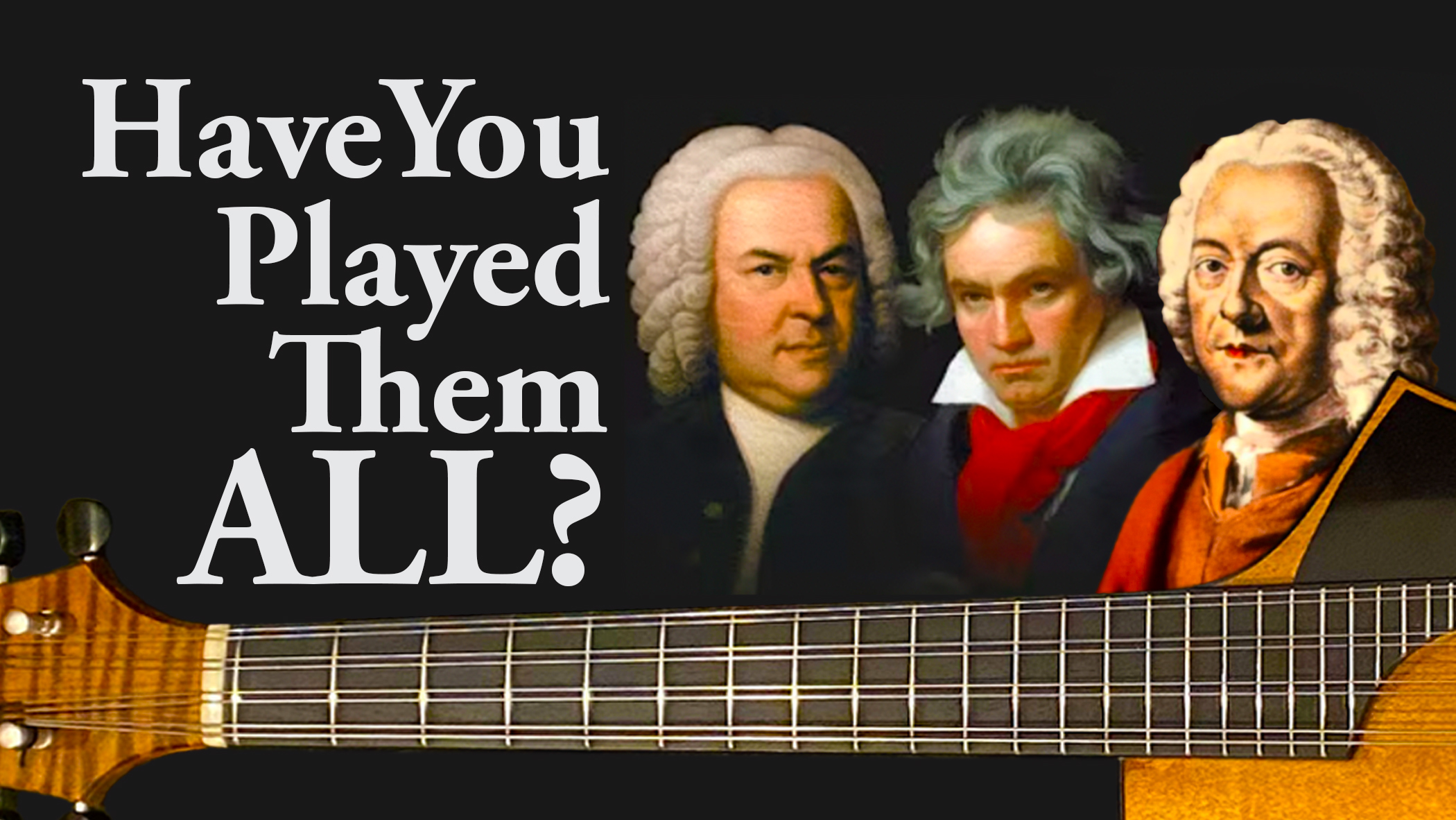
Welcome to my webpage! There's lots of fun music to be had here. Download music. Play it. Get in touch. I'm not making money here people lol, I'm just having fun on the internet. Anyway, I am excited to send some new tunes into the ether that I think may not have ever been arranged for mandolin. Pretty sure the Telemann Gavotte is a first. These 5 tunes should provide the classically-curious some new stuff and do the same for the bluegrass curious.
Feel free to get in touch to let me know if you liked the video (or hated it). People who find erorrs get sneak peaks, mentions, and free sheet music. It takes a villiage people. And remember, I'm not making money here people lol, I'm just having fun on the internet. And if you actually want more music, click the Sheets & Tabs page. Due to my free cello and irish books, there's more tunes there than a person can reasonably play in a year unless it's like... the main thing you do. If it is, get in touch with me. I wanna hear that story.
JS Bach (1685 – 1750)
This is probably the hardest of the bunch. It's a lively, lovely, lucious tune. Time signature is 2/4, which isn't really just half of 4/4, feel the 2/4 as it imparts a different groove to the tune. The 16th note runs can be a bit of a problem, be slightly challenging but ultimately I believe in you. The offbeat section towards the end is incredibly fun. You can push yourself to play this at faster and faster tempos. Make sure to do the stacatto notes! Articulations are fun.
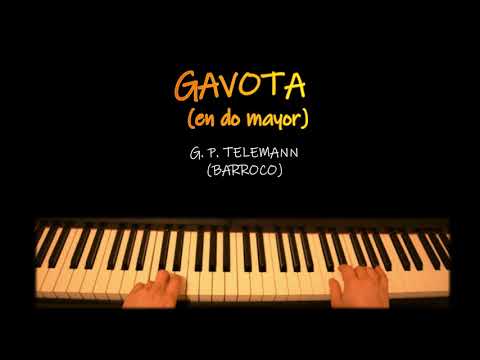
GP Telemann (1681 – 1767)
While super common on piano and other instruments, we mandolins don't play in the key of C major all that often. So check those F naturals. I like that this piece almost seems to start on the 3rd beat. It has a slightly odd feel, and I've never been able to express why. I love the repeating part at the end; it's incredibly addictive and is an earworm for sure. There's some other Gavottes in the tune vault if you like the feel.
Ludwig van Beethoven (1770 – 1827)
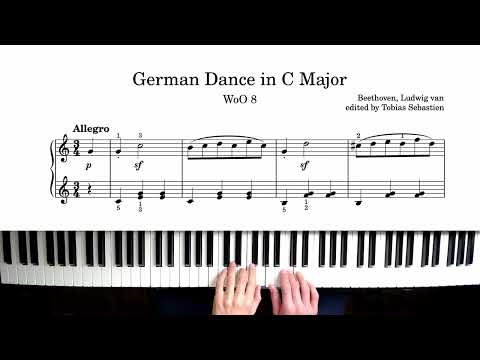
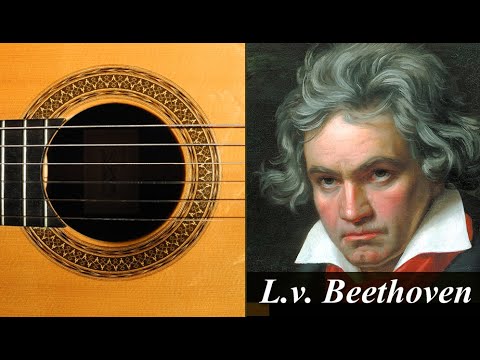
This is a nice German Dance, not a waltz or minuet! Key of C is great. Double and triple stops are possible. Start internalizing some of these common shapes now. Either way, it's a lovely and easy tune to play. You do have to jump into the next position to finish off this little tune. Don't "fret", you can't just memorize where to go to hit that high C and D (frets 8 and 10).
German Dance

German Dance
German Dance
Johannes Brahms (1833 – April 1897)
The classic slow lullaby we've all heard a million times, but that's a good thing? There's different ways to play this on mandolin, here's my simple version, but take a look at Phil's version below. He's a good guy. Focus on your tone and lack of note buzzing and let that instrument ring and breathe by actually taking the rests notated in the sheet.
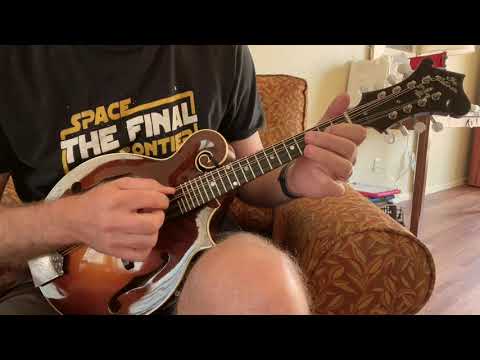
Lullaby
Mr. Dowland's Midnight
Mr. Dowland's Midnight
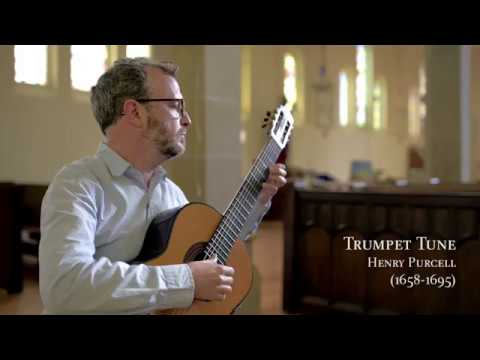
Henry Purcell (1659 – 1695)
This one almost feels like a hornpipe from the scottish and irish tradition. There are some nice stacatto dots about some of these notes. They aren't clipped, they are just... almost more regal. They help add the right feel. And don't forget about those wonderful dynamic markings. Learning to play at different volume levels is a skill that's worth honing early.