All music here is free. If this project helps you, here are easy ways to keep it alive.
Welcome! There’s a lot of music to explore here. Download it, play it, share it, and get in touch. Folks who spot errors get sneak peeks, mentions, and free sheet music. It really does take a village. And if you’re looking for even more music, head over to the Sheets & Tabs page. Between the free cello and Irish collections alone, there’s more material there than most people could play in a year.
A note on ornaments and authorship. In several cases, ornaments such as trills, mordents, and grace notes get in the way of readability or playability on mandolin, especially for beginners. For some tunes, I’ve included alternate “interpreted” versions where I make those decisions for you. Please use them or ignore them as you see fit. Also worth stating clearly: It's engirely possible that Bach wrote 0 of these tunes. While many of them were once attributed to him, we now know better. In the Bach catalogue, pieces labeled “Anh” appear in the Annex, meaning authorship is uncertain or no longer attributed to Bach.
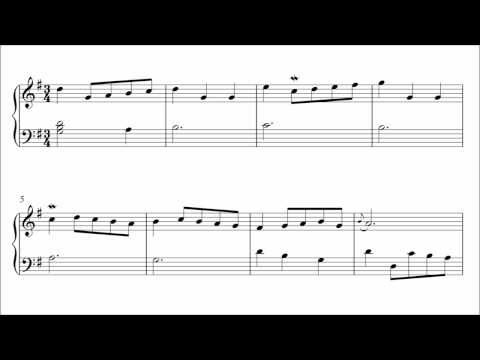
A quick note on markings and editorial approach. Anna Magdalena’s Notebook rarely includes slurs, articulations, dynamics, or other performance markings. When you see those elements in modern editions, they’re usually the work of later editors or teachers. In this collection, I’ve generally avoided adding them and instead stayed somewhat close to the original source, but I've imagining a lot of folks playing these are new to the mandolin so I've tried to just make these plug and play. For example, trills have been standardized using a simple “tr” marking for clarity. These arrangements link to Urtext copies in the examples below, which are versions of the tunes based as directly as possible on the earliest and most authoritative sources, with minimal editorial intervention. If you're ever confused about an error or if I've made a mistake, simply look for the Urtext in the list below for the original.
Licensing: This material is offered freely for non-commercial use. You are welcome to download, share, remix, adapt, and redistribute it as long as you do not sell it and you provide proper attribution. If you build something new from it, crediting the source helps keep this kind of work accessible for everyone.
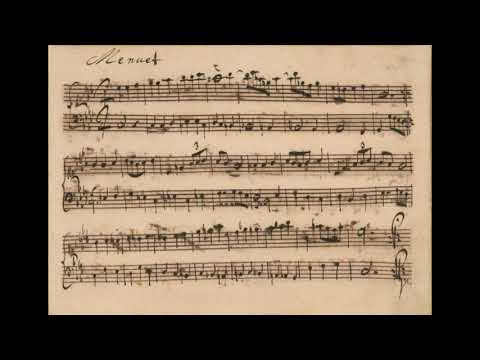
Minuet
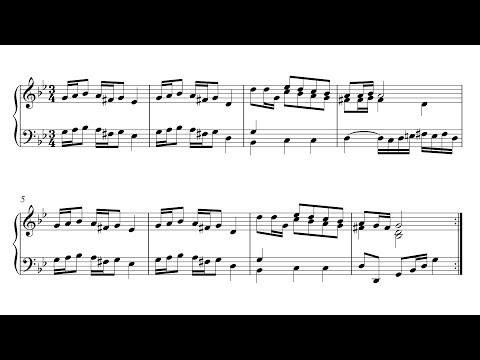
You don't hear a lot of recordings of this Minuet, but I think that's a shame. There's a lovely melody and a few accidentals. And there's even a note in 3rd position. Honestly, it's not the best "starter tune", but it still technically fits the bill in my opinion. I really enjoy playing the eighth note run at the end and hope you do as well.
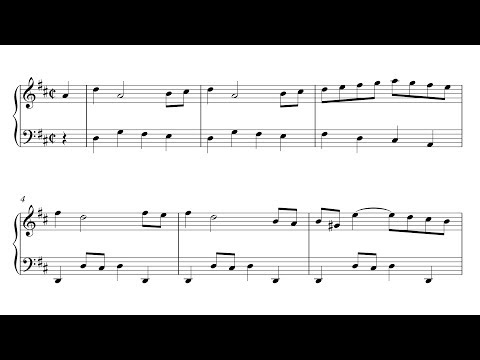
Minuet
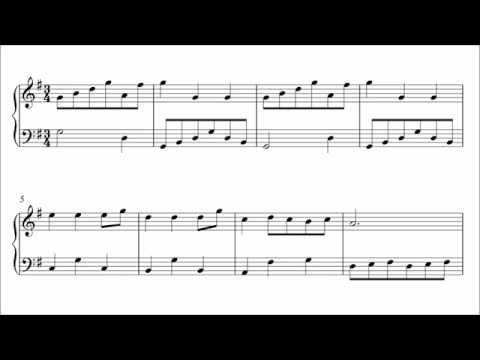
Probably one of the most famous pieces of music of all time. Misattributed to JS Bach, but we now know it's written by Christian Petzold. It's likely a little overplayed as well, but honestly it's a rite of passage. I think this tune has likely been played on every instrument known to our species.
Urtext
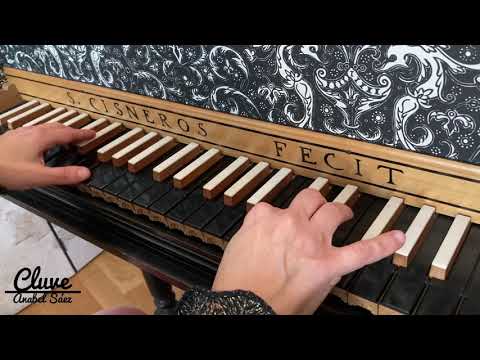
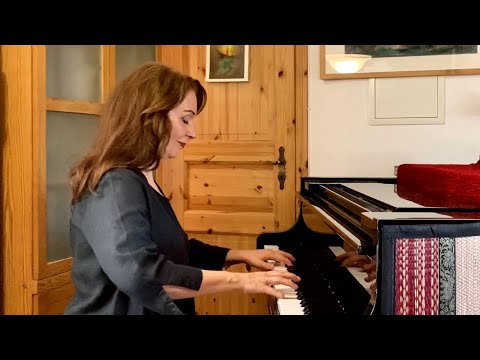
Harpsichord
Euphonium
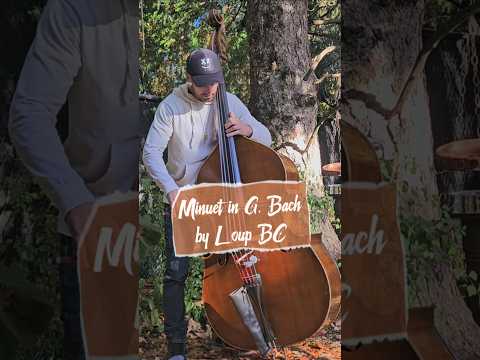
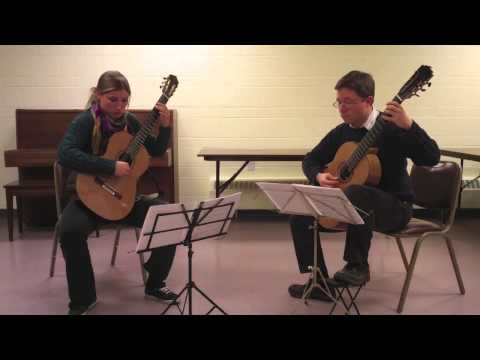
Double Bass
Minuet
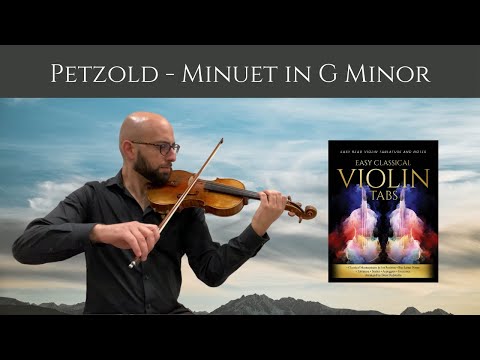
Another Petzold tune. It is often played alongside the previous Minuet (Anh. 114). It's crazy popular. I think it's melancholic, and I like to play it slow. There are some fun accidentals, and I inerpreted a few of the trills to help out. Always look to the Urtext videos I link if you're concerned about pure, historical accuracy.
Minuet
This might be my favorite one of the bunch. It's got a great feel with some fun rhythms. I love playing with how short the long notes are towards the end of the main melody line. We've got some fun accidentals and triplets, everything the body needs. Make sure you're not rushing the main theme!
Polonaise
There's another version of this tune, often listed as BWV Anh. 117a, but this is the more popular and more complete version. I also think this is the least popular tune in the collection? I'm not sure how to measure that but it seems that way. There were very few videos on this polonaise for me to link to on YouTube. There's tons of trills, mordents, oh my!
Minuet
This minuet has a lot going for it. It's in a cool key, and it seems to get played on the slower side. There's a lot of ways to interpret this one. You've got an original version closer to the urtext, and one that I've taken some liberties with that make it a litle more playable since some of the trills specifically felt odd to play on mandolin. It's listed as the "interpreted" version and the rythms are slightly different but more fun IMO.
Polonaise
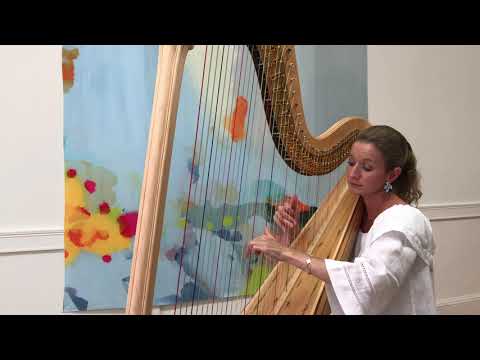
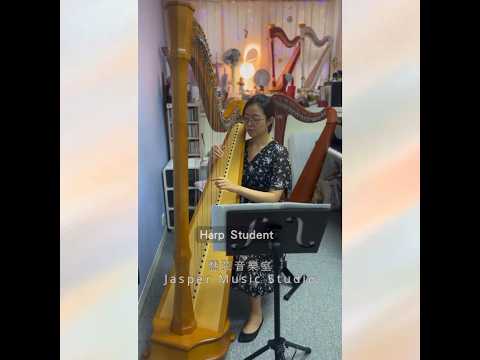
People tend to play this one slowly.There are some 16th notes, but don't let that deter you. 16th notes are only scary when the tempo is fast! G minor is a wonderful key on mandolin that we don't play enough of nowadays IMO. But the old Italian masters used it all the time. For the love of all that is holy please listen to the Harp version below.
Minuet
A minuet that is a little more academically interesting than necessarily beautiful, but it serves a purpose. You'll hear the tune go from minor sounding in the first part, to major sounding in the second part before it modulates back to A minor. You don't have to worry about the music theory, but make sure you can hear when the tune sounds happy vs sad. The tie markings across the barlines are nice here. Count and feel them properly. Ensure to watch your accidentals. There's a TON. Also, don't be scared of the trills, start on the note that is shown, and go up to the next note in the key and back down. Twice is a good number. Don't worry if you don't want to play them.
Minuet
Wow, 3 flats = C minor in this situation. Such a fun key! You can sometimes get away with letting the low G string drone in C minor on the mandolin. I like the inclusion of triplets in this one. Don't squish 'em together, just like the Devil, give each note it's due! There's more accident(al)s in this tune than potty training a toddler. The ending chromatic line on this tune is almost stressful with the ascension. You can try and work out double stop for each note for an extended exercise. Let your ear be your guide!
March
Cool that we have confirmation on the composer here; Anna and Johann's most famous son Carl Philipp Emanuel Bach. I think this piece is fabulous. One of my favorites in the book for sure. And it's a march! Although it's written in 4/4, stomp your foot only twice, and give it a slightly short, regal feel. There's a trill in measure 8 I wrote out because the grace note before it might cause issues. So be wary if you're concerned about historical accuracy. There are a lot of eighth notes in this piece, and when played at a brisk tempo this can become a challenge. So watch your tempo and use a metronome. Move up 1 BPM a day to your desired tempo over a week or more if you want to practice playing eighth notes faster.
March
I love this one and how different CPE's voice is from his father's. The large jumps can be a bit daunting. What's an octave between fingers? The melody here is ... so catchy. I'm listening to this the night before the video goes live and just bobbing my head.
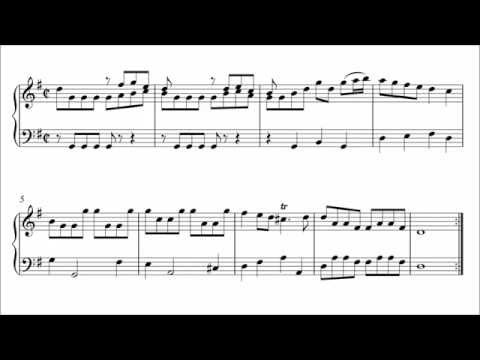
Urtext
Harpsichord
Banjo
Polonaise
This one is incredibly tricky. No other way around it. Make sure to play it slow. There are some nasty accidental jumps as well, especially in measure 15. I really enjoy the syncopation of measures 13 and 14, and to me, is a dead giveaway that this is a Carl Phillipp Emanuel Bach tune, instead of his father's work. There's also no trills. Where are the trills?!
Musette
I've actually already played this one in a different video, but it works great here as well. Folks tend to take this one much too quickly; and honestly I endorse that approach. But listen to the first recording I have listed here. It sounds quite servicable at a practical tempo. The little bit of syncopation is everything.
Untitled March, Air, Gavotte
This piece is generally considered to be unfinished and has been attributed to various people in Bach's family at one point or another. It's one of the easiest here, but rest assured there's still a dollop or two of magic. Take an extra serving.
Minuet
I think the B section in this piece is one of my favorite melodies in the book. I really fell in live with this one while recording it for the video. I need to figure out a way to add some more harmony. The way I played it in the video, I used an F# at the end versus the F natural that's part of the key but it gives it a lot more zest.
Listen, I can't change the video once it's out, but this page can be a living document. Thanks to the following readers, technologists, researchers, and musicians for sharing corrections, source clarifications, and thoughtful suggestions that helped improve its accuracy.
If you spot something that seems off, I’m always happy to learn more. Get in touch and I’ll update this page and credit you.